

I’m Not Afraid Netflix Ending Explained: The first time I watched the final episode of ‘I’m Not Afraid‘ (original title: No tengo miedo), I sat in silence for a good fifteen minutes after the credits rolled. Not because I was confused, exactly. More because I needed to sit with what the series had just done to me. This wasn’t the ending that wraps everything in a neat bow and sends you on your way. It was the kind that settles into your chest and stays there, heavy and insistent, demanding you think about what you just witnessed.
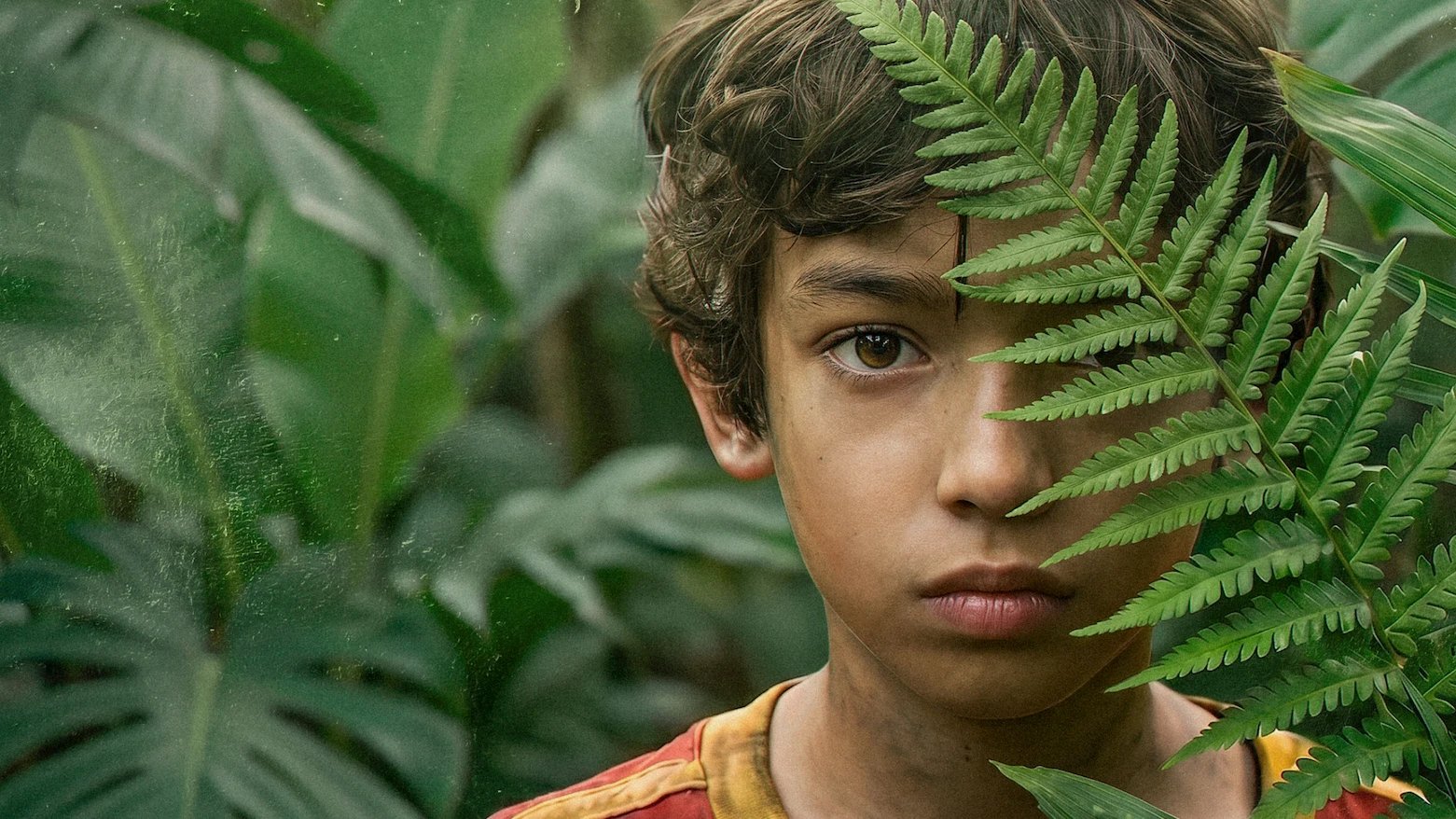
The show begins so deceptively. A child afraid of witches and forest spirits. A small Mexican town in 1986, buzzing with World Cup fever. The superstitions that feel almost cozy at first, the kind of childhood fears we all remember having. But then the trapdoor opens. And everything you thought you were watching transforms into something else entirely.
If you’ve landed here, you probably just finished the series and need to process what happened. Let me walk you through it properly, because the ending of I’m Not Afraid isn’t just about who gets caught or who gets saved. It’s about what the show has been saying all along about fear, childhood, and the moment you realize the monsters were never hiding in the dark.
I’m Not Afraid Netflix Ending Explained: What Actually Happens at the End of I’m Not Afraid?
Let’s start with the concrete events, because the finale moves fast, and the emotional weight of it can make the details blur together.
The final episode brings every fractured storyline crashing into the same space. Miguel and his friends have stopped waiting for adults to fix anything. They’ve seen enough by now to understand that the grown-ups aren’t just failing to help, they’re actively covering up something monstrous. So the children take matters into their own hands and head into the woods to rescue Felipe, the boy they found chained beneath the abandoned villa.
Meanwhile, the adult world is collapsing inward. The collective lie that held the kidnapping together is disintegrating. People who thought they could control the situation are realizing they never had control at all. Accusations fly. Old alliances break. The police are closing in, piecing together what happened to the Betancourt child. And at the center of this collapse stands Félix, the man who actually kept Felipe imprisoned, who has by this point completely lost touch with any recognizable humanity.
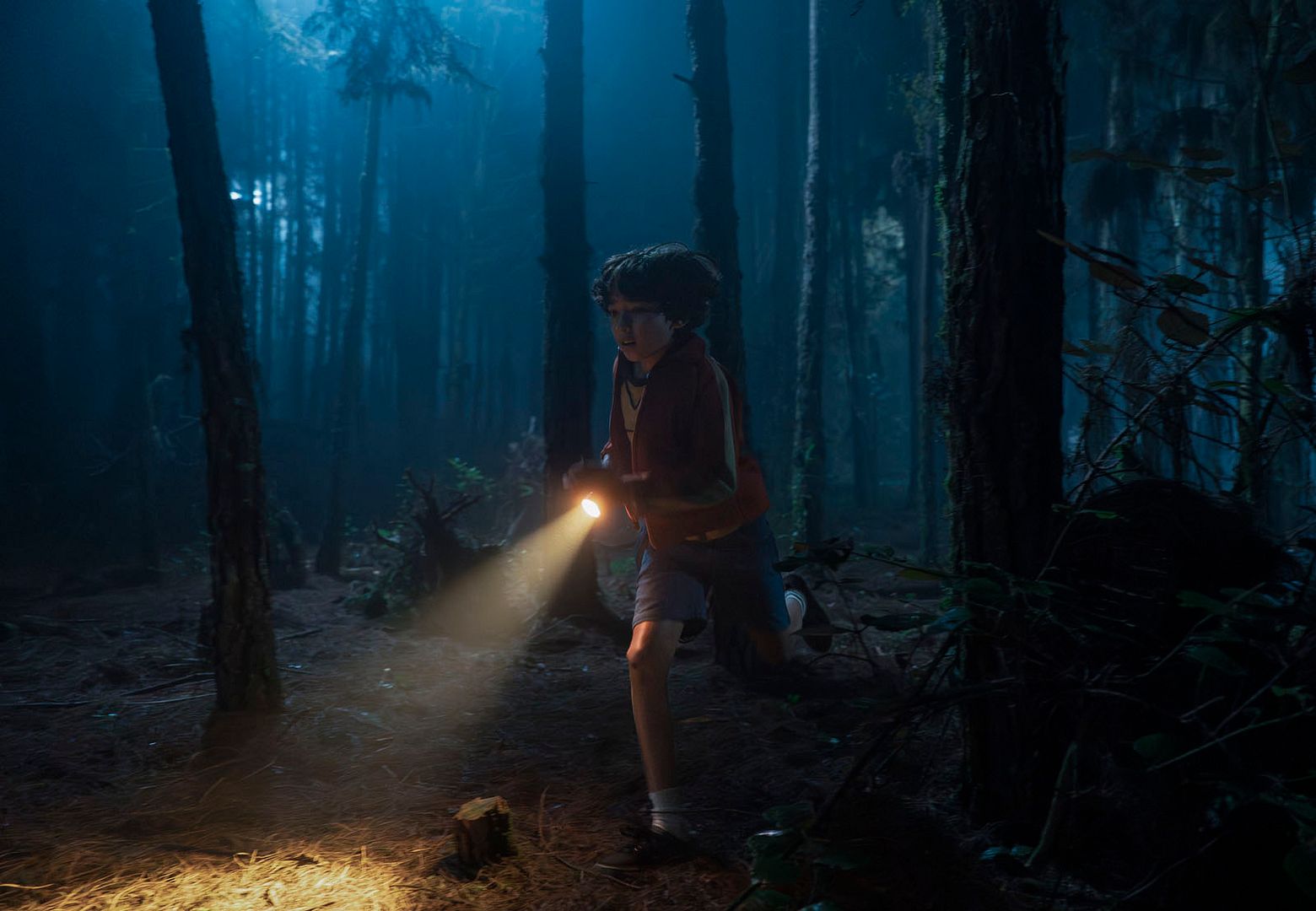
Miguel and Felipe make their escape through the fog-shrouded forest, the same woods that terrified Miguel at the beginning of the story because he believed spirits and chaneques lived there. This journey through the forest is where the series does its most important symbolic work, but I’ll get to that in a moment.
The tragedy strikes when Miguel, the one child who did everything right, who saw the truth first and refused to look away, gets shot. It’s a gut-punch precisely because it feels so wrong. Shouldn’t the brave kid be protected? Shouldn’t doing the right thing count for something? The series refuses to offer that comfort. Miguel takes the bullet that the adult world created, and in that moment, his father, Pino, finally understands what his choices have actually cost.
The authorities arrive. The kidnapping is exposed. Felipe is freed. But the ending isn’t triumphant. It’s quiet and wounded and complicated.
Who Was Really Responsible for Felipe’s Kidnapping?
This is where a lot of viewers get tripped up, because we’re conditioned to look for a single villain. We want one person to blame, one monster to defeat, one source of evil we can point to and say, “there, that’s the problem.” I’m Not Afraid refuses to give us that satisfaction.
Yes, Félix is a monster. He’s the one who kept Felipe in those conditions, who treated a child like something less than human, who descended so far into cruelty that even the other conspirators became afraid of him. The show doesn’t ask us to forgive him or understand him. He is, in every meaningful sense, irredeemable.
But here’s the harder truth the series insists on: Félix didn’t create this situation alone. The kidnapping wasn’t his idea alone. It emerged from a community suffocating under debt and desperation, from conversations where people who knew better gradually talked themselves into doing something unforgivable. One person had access to information about the Betancourt family. Another had a location. Another looked the other way. Another heard rumors and chose silence.
The series is methodical about showing us how evil doesn’t typically arrive as a dramatic intrusion from outside. It grows in the soil of small compromises. Someone says, “Just this once.” Someone else says, “We don’t have a choice.” Someone else says, “It’s already done, we have to see it through.” Each step feels manageable in isolation. The cumulative result is a chained child in a basement.
By the time we reach the finale, the question isn’t really “who did this” anymore. It’s “how did so many people let this happen.” And the answer the show gives is devastating because it’s so ordinary. Fear of poverty. Fear of losing face. Fear of consequences. The same fear that Miguel feels about witches and spirits has grown up and turned outward instead of inward.
The Real Meaning of the Forest Scene?
The sequence where Miguel and Felipe cross through the fog-filled forest is the emotional and thematic climax of the entire series, and understanding it is key to understanding everything I’m Not Afraid is trying to say.
From the very first episode, the forest has represented the unknown for Miguel. It’s where the witch supposedly lives. Where the chaneques roam. Where the spirits gather. His fear of this place is genuine and overwhelming, but it’s also a child’s way of naming something he doesn’t understand. The supernatural lore isn’t just set dressing for the show; it’s the language Miguel has available to process a world that feels threatening in ways he can’t articulate.
When Miguel enters the forest in the finale, he’s walking into the physical manifestation of everything that has scared him his entire young life. But something has fundamentally changed. He knows now that the real horror isn’t lurking in the trees. The real horror was under a trapdoor, maintained by people he knew, people who were supposed to protect children like him and Felipe.
The fog itself is significant. Fog obscures. It makes shapes ambiguous. It turns the familiar into the threatening. This is exactly what the adult conspiracy did to Miguel’s world. It took the recognizable faces of his community and made them strange and dangerous. Moving through the fog is moving through the confusion of discovering that the people you trusted are capable of terrible things.
But Miguel doesn’t freeze. He doesn’t run back. He moves forward, Felipe beside him, and in doing so, he crosses a threshold he can never uncross. The forest doesn’t become less frightening because the supernatural elements turn out to be real or fake. It becomes less frightening because Miguel finally understands what he’s actually afraid of, and that understanding gives him a kind of power he didn’t have before.
Why Miguel Gets Shot and What It Represents?
I’ve seen some viewers express frustration with this narrative choice. Why hurt Miguel? Why punish the one character who consistently did the right thing? Isn’t that just cruelty for cruelty’s sake?
I understand the reaction, but I think it misses what the series is doing here. Miguel getting shot isn’t a random tragedy. It’s the logical endpoint of everything the adults set in motion.
Remember why the kidnapping happened in the first place. The conspirators told themselves they were doing it to protect their families. To save their homes. To secure a future for their children. Every justification they whispered to themselves circled back to this idea: we’re doing something terrible, but we’re doing it for them.
The bullet that hits Miguel is the physical manifestation of the lie at the heart of that reasoning. You cannot protect children by destroying a child. You cannot secure a future by committing an atrocity. The violence the adults unleashed was always going to come back on the very things they claimed to be defending. Miguel’s wound is proof that their moral calculus was bankrupt from the start.
There’s also something important about which child gets hurt. Miguel isn’t random collateral damage. He’s the child who saw most clearly. The child who refused to accept the lies. The child who insisted on doing something even when the adults around him were paralyzed or complicit. The series makes a brutal but honest point here: in a world where adults have abandoned their responsibility, the children who try to fill that void will pay the price. Not because they deserve to, but because the adults created a situation where someone had to pay, and the innocent always end up bearing the costs of choices they never made.
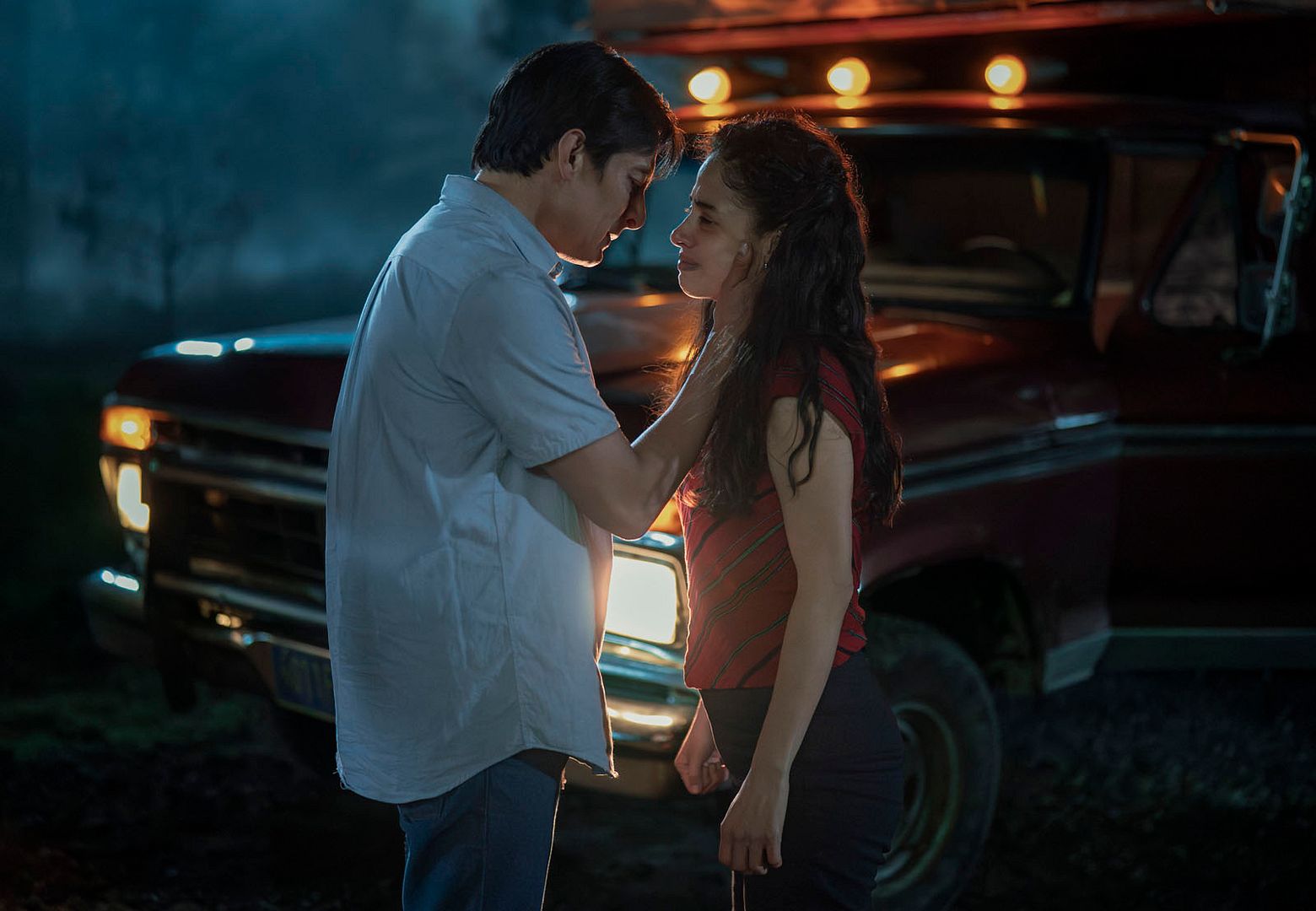
Pino’s reaction at this moment completes the circle. All his rationalizations, all his attempts to manage the situation, all his careful calculations about how to survive this, they all evaporate the instant his son is bleeding on the ground. He stops caring about escape, about consequences, about anything except whether Miguel will live. It’s the moment his moral confusion finally resolves into something simple and terrible: he loves his son, and his actions have put his son in mortal danger. Everything else falls away.
The Bracelet and What It Carries Between Miguel and Felipe?
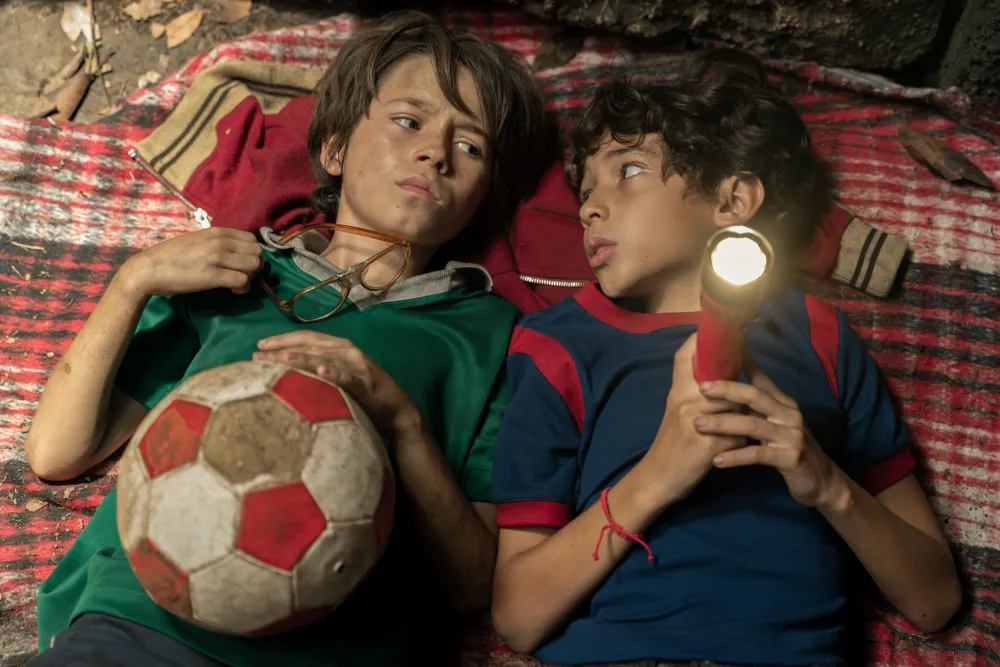
Objects carry meaning in stories. The bracelet Miguel gives Felipe in the woods isn’t just a plot device; it’s the physical token of everything these two children have become to each other.
When Miguel first slips the bracelet onto Felipe’s wrist, he’s making a promise without words. He’s saying: you matter, you’re not alone, I see you as a person, even though the adults in my life have treated you as something disposable. The bracelet is a luck charm, yes, but it’s also a transfer of hope. In the middle of a situation designed to strip Felipe of every shred of dignity and humanity, Miguel offers him a small, stubborn piece of care.
What makes the finale’s callback so powerful is the reversal. In the hospital, Felipe returns the bracelet to Miguel and tells him not to be afraid. Think about what this means. Felipe, the child who was buried alive in terror, who spent who knows how long in absolute darkness at the mercy of a man who had lost his mind, is the one who offers courage to Miguel. The victim becomes the comforter. The one who had every reason to be broken becomes the source of strength.
This exchange tells us something essential about what these two characters have built between them. It’s not a one-way rescue where Miguel plays hero, and Felipe plays damsel. They have genuinely saved each other. Miguel pulled Felipe out of the physical pit. Felipe, in this final gesture, helps pull Miguel out of the emotional one. The bracelet moving between them traces the arc of that mutual salvation.
The show is careful not to over-explain this. It trusts the audience to feel the weight of the object passing from hand to hand. But if you’re wondering why that small moment lands so hard, this is why. It’s earned through everything that came before.
“I’m No Longer Afraid” – What Miguel’s Final Words Actually Mean?
This is the line the entire series has been building toward, and it’s easy to misunderstand it if you’re not paying close attention to Miguel’s journey.
When Miguel says he’s no longer afraid, he is not saying the trauma didn’t happen. He’s not saying he’s healed. He’s not saying everything is fine now. The scars are real, the wound is real, and his life has been permanently altered by what he witnessed and endured.
What he’s saying is that he has stopped processing the world through the distorting lens of childhood terror. At the beginning of the series, fear was a fog that obscured everything. He was afraid of witches and spirits, and the forest and the abandoned villa, but these fears were actually standing in for something he couldn’t name: the intuition that something was deeply wrong in his world, that the adults were hiding something, that danger was present but not in the forms he had been taught to expect.
By the end, he can name the thing. Evil isn’t a supernatural force lurking in the woods. Evil is what people do to each other. Evil is a community deciding that one child’s suffering is an acceptable price for their own security. Evil is silence and complicity and the thousand small decisions that make atrocity possible.
This knowledge doesn’t make Miguel happy. It makes him older, in the saddest possible way. But it also frees him from the specific terror of the unknown. He has walked into the heart of the fog, seen what was actually there, and survived. The monsters under the bed turned out to be real, but they weren’t under the bed. They were sitting at the dinner table. And once you know that, the dark stops being quite so frightening, because you’ve already faced something far worse in the light.
The line is a declaration of hard-won awareness. Miguel has lost his innocence, but he has gained something in return: the ability to look at reality without the protective filters of superstition and denial. He’s not saying he’ll never feel fear again. He’s saying he understands fear now, and understanding it means it no longer controls him.
The Bigger Themes the Ending Brings Into Focus?
Looking back at the whole series from the vantage point of its conclusion, several thematic threads become unmistakably clear.
The loss of innocence isn’t about learning that evil exists. It’s about learning where evil lives. Every child in this story eventually confronts the same devastating realization: the people who are supposed to keep them safe are either directly complicit in horror or passively allowing it to continue. This isn’t the gentle loss of innocence we see in coming-of-age stories where a child learns the world is complicated. This is a violent rupture. The parents aren’t flawed but fundamentally decent. They’re participants in a crime against a child.
Folklore and superstition function as a child’s emotional vocabulary. The series isn’t dismissive of the supernatural beliefs that permeate the children’s world. It treats them seriously as a way of processing experience. When Miguel talks about chaneques and witches, he’s not being foolish. He’s using the conceptual tools available to him to make sense of a threatening environment. The tragedy is that those tools were inadequate for the actual threat, not that they were childish.
Collective guilt is harder to face than individual evil. Félix is horrifying, but he’s also comprehensible in his monstrosity. We know what to do with a villain. The quieter guilt of the others—the people who knew, who suspected, who benefited from silence—is harder to reckon with because it implicates the entire social fabric. The series doesn’t let anyone off the hook. Even characters we might have sympathized with are shown to have made choices that contributed to Felipe’s suffering.
Economic desperation creates moral danger. The show is careful not to use poverty as an excuse, but it also refuses to ignore material reality. These characters are drowning in debt. They face losing everything. The kidnapping plot doesn’t emerge from pure malice. It emerges from a toxic combination of desperation, opportunity, and the human capacity for self-justification. The series asks us to understand this without ever asking us to forgive it.
Children see what adults learn to ignore. Over and over, the series demonstrates that the children in this story are more perceptive, more morally clear, and more courageous than the adults. Miguel doesn’t have any special powers. He just hasn’t yet developed the adult skill of looking away from inconvenient truths. The tragedy is that this clarity puts him in danger, not that it’s wrong.
Why the Ending of I’m Not Afraid Stays With You?
I’ve thought a lot about why this particular finale hit me the way it did, and I think it comes down to honesty. The show doesn’t cheat. It doesn’t offer false comfort. It doesn’t pretend that exposing the truth fixes everything or that the good guys winning means the damage is undone.
Miguel is alive at the end. Felipe is free. The kidnapping is exposed. In a procedural sense, justice is on its way. But the series doesn’t let us feel triumphant about any of this, because it has shown us too clearly what was lost to get here. Miguel’s childhood. Felipe’s sense of safety. The illusion that communities protect their most vulnerable members. The belief that parents will always choose their children over their own survival.
What the finale offers instead of triumph is something rarer: recognition. Miguel’s journey from superstitious terror to clear-eyed awareness mirrors what the series asks of its audience. We start out thinking we’re watching a story about childhood fears and maybe something supernatural. We end up watching a story about how ordinary people become capable of extraordinary cruelty, and how the bravest person in the room is often the one who hasn’t yet learned to rationalize evil.
The closing image, with Miguel receiving the bracelet back and speaking those final words, doesn’t resolve everything. It points toward a future that will be complicated, where the scars of this experience won’t simply disappear. But it also insists that facing the truth, however terrible, is better than living in fear of phantoms. Miguel is no longer afraid because he has finally seen what was actually there to be afraid of. And seeing it, knowing it, means he can begin to live with it.
That’s not a happy ending. But it’s a true one. And truth, the series seems to argue, is the only real way out of fear.


